



Beyond the Surface: The Ultimate Guide to Laser, Light & Energy-Based Skin Treatments
Learn how laser, light, and energy-based skin rejuvenation treatments work beneath the surface to improve pigmentation, skin tone, texture, acne scars, wrinkles and skin laxity. Discover how a personalized treatment plan can help you achieve natural-looking, lasting results.
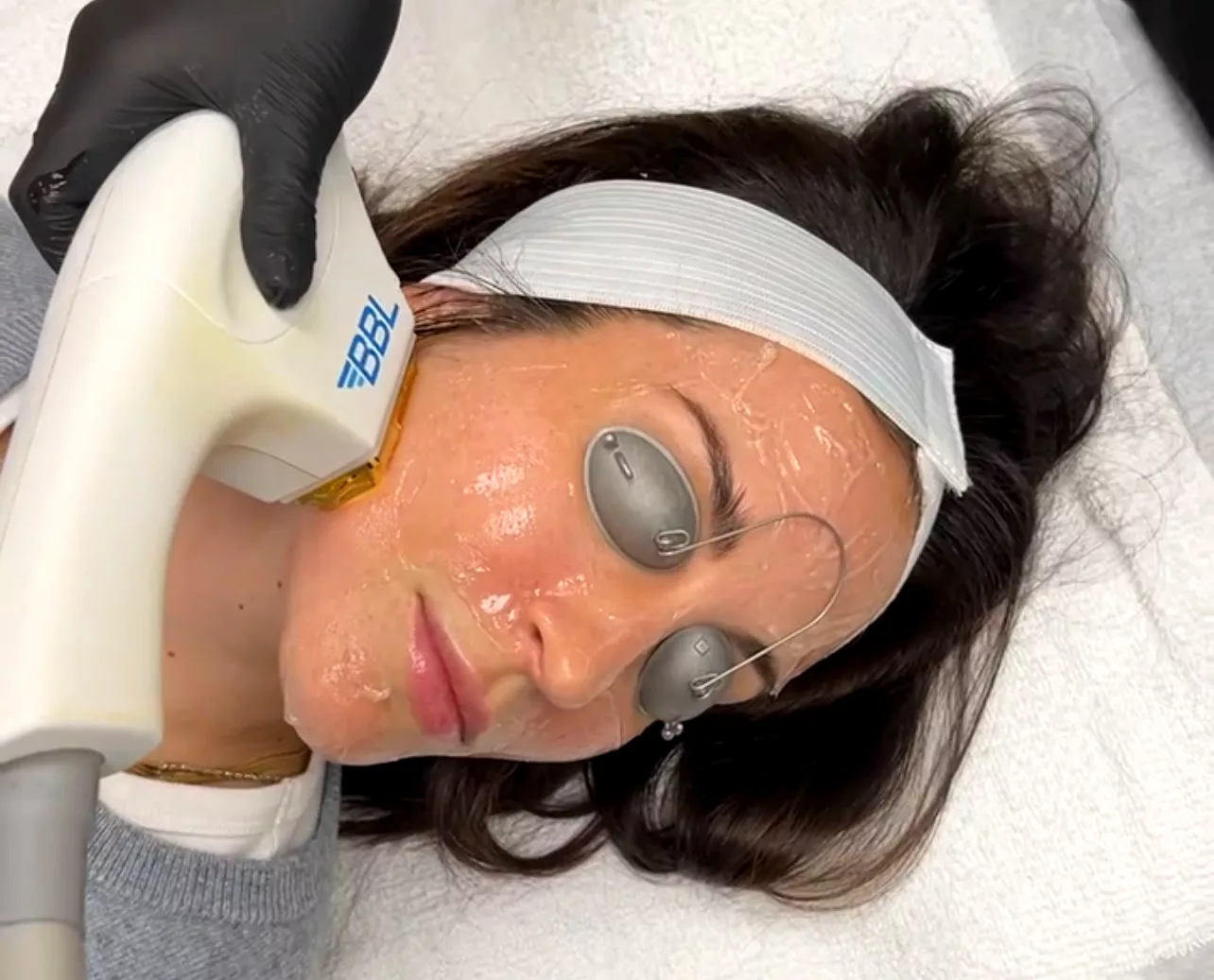
Moving Past the Trends: How Skin Rejuvenation Really Works
From viral “Glass Skin” routines and #SkinTok laser reveal videos to trending searches like “Baby Botox” and non-surgical facelifts, social media is filled with promises of filter-like complexions. As multi-step skincare routines and viral trends dominate social feeds, the truth is that lasting skin rejuvenation happens beneath the surface of the skin. And with so many skin rejuvenation options available, from gentle complexion brightening to deep collagen remodeling, understanding which technology fits your unique skin condition, lifestyle and recovery timeline is key to moving beyond social media hype and achieving real-world results.
Provider Experience Matters When Choosing Laser Skin Treatments
At The Skin Center, our team of board-certified surgeons, physician assistants, nurse practitioners and licensed medical aestheticians brings more than 40 years of exceptional personalized care throughout Pennsylvania and Ohio, including Pittsburgh, Cleveland and Columbus. With access to a broad selection of advanced laser, light and energy-based technologies, our clinicians will recommend a customized medical-grade treatment plan based on your skin type, complexion concerns and rejuvenation goals, rather than the latest social media trend.
This guide explains the differences between laser, light and energy-based treatments, what type of skin conditions each technology treats, expected downtime and how providers determine which option may be the best treatment for you.
What are the Different Types of Laser Skin Treatments?
One of the biggest misconceptions about laser skin treatments is that every energy-based device works the same way. They do not. In fact, some are not even laser treatments at all. Skin rejuvenation technologies, often referred to as laser treatments, include lasers, broadband light, radiofrequency and focused ultrasound. Each energy-based technology interacts with different structures and depths of the skin.
To understand how these technologies work, it helps to know what they are targeting in the skin:
- Melanin: The pigment responsible for many brown spots, freckles, age spots and other types of skin discoloration.
- Hemoglobin: Targeting hemoglobin, a protein found in blood vessels, helps reduce the appearance of visible blood vessels, spider veins, and certain types of facial redness.
- Water: The skin contains a high percentage of water, and certain laser wavelengths are absorbed by water. The interaction between the water and the laser can create controlled thermal effects that resurfacing and rejuvenate the skin.
- Collagen-rich tissue: Heating or stimulating deeper layers of the skin can encourage collagen remodeling, which may improve skin firmness, elasticity, texture and some structural signs of aging.
Light-Based Treatments: BBL and IPL
Broadband Light (BBL) and Intense Pulsed Light (IPL) are light-based treatments, not laser treatments. BBL and IPL technologies are similar, as they both deliver pulses of broad-spectrum light to the area being treated; they differ in the amount of energy delivered during the treatment as well as the skin conditions they target.
Broadband Light (BBL) Treatment
Broadband Light treatment uses customizable wavelengths of broad-spectrum light at varying depths with specialized cooling technology to make the treatment more comfortable. BBL selectively targets cells to improve the appearance of sun spots, freckles, uneven skin tone, facial redness as well as fine lines and wrinkles.
Intense Pulsed Light (IPL) Treatment
IPL treatment, also referred to as a photofacial, is similar to BBL as it also delivers broad-spectrum light to the treatment area, however it delivers a lower intensity of pulsed light to gently heat pigmentated areas of the skin, causing discoloration to gradually fade while skin clarity, tone and texture improve.

What Can BBL and IPL Improve?
- Sun spots, age spots and freckles
- Hyperpigmentation and uneven skin tone
- Certain types of facial redness and visible blood vessels
- Dull or uneven complexion
- Acne-related discoloration
BBL and IPL are non-ablative light-based treatments with little to no downtime associated with treatment. Immediately after treatment, the skin may feel warm or appear slightly red. Pigmented areas of the skin may temporarily darken before gradually fading or flaking off.
Ideal Candidate: People who want to fade hyperpigmentation and facial redness, brighten the complexion and improve skin tone and texture with little to no downtime.
Fractional Laser Treatments: Lutronic Ultra, Fraxel Laser & SmartSkin CO2
Fractional laser resurfacing creates microscopic treatment zones in the skin while leaving the surrounding skin intact. Depending on the technology used and treatment settings, the laser energy creates different degrees of controlled thermal injury to the skin, which activates the body’s natural healing response to trigger new collagen production.
Fractional lasers can vary considerably in depth and intensity. At The Skin Center, treatment options include Lutronic Ultra, Fraxel Laser and SmartSkin CO2.
Lutronic Ultra Laser
Lutronic Ultra is a non-ablative laser ideal for people who want to improve uneven skin tone, pigmentation and textural concerns as well as early signs of aging without the longer recovery period associated with other laser resurfacing treatments. By delivering controlled laser energy while leaving the skin’s surface largely intact, the Lutronic Ultra offers a lighter approach to skin rejuvenation with minimal downtime.
Fraxel Laser Resurfacing
The Fraxel Laser uses fractional technology in a grid-like pattern to create small micro-channels within the skin. As these micro-channels heal, new collagen is formed. Over time, the skin becomes firmer from the new collagen, and the complexion brightens as sun damage, freckles and hyperpigmentation fade and acne scars soften.
SmartSkin CO2 Laser Resurfacing
SmartSkin CO2 is an ablative fractional CO2 laser that creates controlled microthermal treatment areas in the skin. By removing targeted areas of damaged skin and stimulating the body’s healing response, CO2 laser skin resurfacing can produce more significant skin renewal and collagen remodeling.
Because CO2 laser resurfacing is a more intensive treatment, the associated downtime and recovery is typically longer than with other non-ablative laser treatments.

What Can Fractional Lasers Improve?
- Fine lines and wrinkles
- Enlarged pores
- Acne Scars
- Uneven skin tone and texture
- Skin laxity and firmness
Ideal candidate: People wanting to improve fine lines and wrinkles, acne scarring, sun damage or uneven skin tone. Determining which type of fractional laser is most appropriate for you will be discussed during the consultation. The condition of the skin, desired results and amount of downtime will all be factors to consider when making a decision about which fractional laser is best for you.
Energy-Based Treatments: Ultherapy and RF Microneedling
Energy-based technologies like Ultherapy and radiofrequency (RF) microneedling deliver energy to the deeper layers of the skin to encourage collagen production and improve the appearance of skin laxity, tone and texture.
Ultherapy
Ultherapy uses focused ultrasound energy to target the deeper layers of the skin to stimulate collagen remodeling for gradual, nonsurgical skin tightening along the jawline, neck and brow area. Ultherapy is most effective when treating mild to moderate skin laxity.
RF Microneedling
RF microneedling combines a traditional collagen-inducing microneedling treatment with the added benefit of radiofrequency energy. The microneedles create controlled micro-channels in the skin to trigger new collagen and elastin production, while the radiofrequency energy delivers gentle heat deep into the dermis to tighten and tone the skin. This combination treatment boosts collagen production for a brighter, more even complexion while also improving skin laxity and the softens the appearance of acne scars or scarring.

What Can Energy-Based Treatments Improve?
- Mild to moderate skin laxity
- Jawline definition
- Acne Scars or scarring
- Fine lines and wrinkles
- Enlarged pores
- Crepey skin
- Skin tone and texture on the face, neck and chest
Ideal candidate: People wanting to lift and tighten mild to moderate skin laxity without surgery, improve the appearance of crepey skin, and improve skin tone and texture with little downtime.
Which Laser Treatment is Right for My Skin Concern?
There is no single “best laser” treatment. Different energy-based skin rejuvenation treatments target different depths, and different structures within the skin.
| Skin Concern | Treatments to Consider | Primary Goal |
| Sun spots, freckles, and pigmentation | BBL, IPL, Lutronic Ultra laser, Fraxel Laser and CO2 Laser | Pigmentation correction |
| Facial redness and visible blood vessels | BBL or IPL treatment | Vascular correction |
| Fine lines and textural concerns | Lutronic Ultra, Fraxel, RF microneedling | Collagen stimulation |
| Deep wrinkles and significant texture concerns | SmartSkin CO2 laser | Skin resurfacing and collagen remodeling |
| Acne scars | RF microneedling, Fraxel, SmartSkin CO2 laser | Fading of acne scars, collagen-boosting, texture improvement |
| Mild to moderate skin laxity | Ultherapy, RF microneedling, Fraxel | Skin tightening, collagen-boosting |
| Dullness and uneven complexion | BBL, IPL, Lutronic | Skin brightening and improved skin tone |
Can Laser and Energy-Based Treatments be Combined?
Yes, different laser, light and energy-based treatments may be combined as part of a comprehensive treatment plan. This approach is often called “laser stacking”. Laser stacking works because different skin rejuvenation technologies target different components of the skin, stacking treatments allows your provider to address multiple skin concerns such as pigmentation, redness, texture or skin laxity within the same treatment plan. At The Skin Center, we offer multi-device treatment packages as part of our Signature Collection.
Popular Treatment Combinations
BBL+ Fractional Laser
What it Does: Improves Tone & Texture
Why it Works: BBL targets superficial pigmentation and certain vascular concerns, while fractional laser resurfacing addresses skin tone and texture, fine lines and collagen induction.
RF Microneedling + Light-Based Treatment
What it Does: Tightens and Brightens
Why It Works: RF microneedling delivers radiofrequency energy into the dermis to stimulate collagen production, while a light-based treatment may address superficial pigmentation or redness.
Ultherapy + Laser Skin Resurfacing
What it Does: Lifts and Renews
Why it Works: Ultherapy uses focused ultrasound energy to tighten and tone sagging skin while laser skin resurfacing brightens, tones and renews the complexion.
Not every treatment combination is appropriate for every person. Some treatments may be performed during the same visit, while others may need to be performed 2 to 4 weeks apart to allow the skin to heal between treatments. During a personal consultation, a qualified provider will determine the appropriate sequence and timing of skin rejuvenation treatments for optimal results.
Finding the Right Laser, Light and Energy Treatment for Your Skin Tone
Not every laser or light-based treatment is appropriate for every skin tone. The type of technology, wavelength, treatment settings, natural pigmentation, tanning history, current sun exposure and treatment area, all influence the type of technology selected to achieve the best possible results.
During a consultation, your provider may use the Fitzpatrick Skin Type Scale as one tool when evaluating how your skin may respond to ultraviolet light exposure. The scale ranges from Type I, which is skin that burns very easily and rarely tans, to Type VI, which rarely burns and tans deeply.
However, the Fitzpatrick skin type scale is only one factor to consider when creating an appropriate treatment plan. The type of technology and its specific settings are equally important considerations. For example, IPL may be more appropriate for fair-to-medium skin tones, while other energy-based technologies and protocols may be considered for a broader range of skin types.
A consultation with an experienced provider, who has access to a broad selection of technologies, is essential when determining which treatment and settings are appropriate for individual skin types, conditions and concerns.
How Much Does Laser Skin Rejuvenation Cost?
The cost of laser, light and energy-based skin rejuvenation treatments vary based on several factors:
- Technology and device selection: Each technology has a different cost associated with the treatment. More intensive resurfacing treatments and advanced-energy based treatments have a different cost than light-based treatments.
- Size of the treatment area: Full-face, neck and chest treatments generally require more time than a smaller, targeted area.
- Number of sessions needed: Some treatments may produce noticeable improvement after one session, while others are typically performed in a series of treatments.
- Treatment setting used: The intensity and duration of treatment can impact both the cost and recovery time.
The best way to determine the cost of a treatment plan personalized to your skin concerns is to schedule a consultation at The Skin Center location nearest you.
Beyond the Filter: Choose a Treatment Based on Your Skin, Not a Trend
Social media can be a great place to discover new skincare ideas, but viral skin rejuvenation treatments are not necessarily the right treatment for your skin concerns. Real skin rejuvenation is about understanding what is happening beneath the surface and choosing a technology that addresses skin concerns tailored to you.
There is no universal “best laser” or energy-based device and there is no one-size-fits-all treatment. There is only the technology that is best suited to your skin, your concerns, your goals, and your lifestyle.
The Skin Center’s broad range of laser, light and energy-based technologies makes it possible to build a treatment plan around you and your lifestyle. With multiple locations throughout Pennsylvania and Ohio, The Skin Center provides physician-led aesthetic care focused on personalized treatment and long-term skin rejuvenation.
If you’re ready to move beyond filters and find a treatment plan designed to treat your actual skin concerns, schedule a complimentary consultation at The Skin Center today!
-
What is the best laser treatment for aging skin?
There is no single best laser to address aging skin. Fraxel, Lutronic Ultra and SmartSkin CO2 can address different degrees of sun damage, texture, fine lines and wrinkles. If skin laxity or loss of jawline definition is the primary concern, a treatment such as Ultherapy may be the best option, if hyperpigmentation is the primary concern, IPL or BBL may be the better option.
-
What is the difference between BBL and IPL?
Intense Pulsed Light (IPL) treatment uses a lower intensity energy output than Broadband Light Therapy, so more treatment sessions may be needed to achieve the desired results. With minimal downtime and a tailored treatment plan, IPL offers an effective and gradual path to brighter, clearer skin.
Broadband Light (BBL) treatment is a more advanced higher intensity form of light therapy than IPL. The higher energy output from BBL, combined with enhanced precision and cooling technology allows for more effective targeting of pigmentation, vascular issues, acne and skin aging. The desired results from BBL are often achieved in fewer sessions and with minimal downtime. In most cases, the treatments are even shorter than IPL, due to the rapid output of light pulses from the BBL handpiece.
- What laser treatment is best for dark spots and sun damage?
-
What laser is best for acne scars?
RF microneedling, Fraxel and SmartSkin CO2 laser resurfacing can all be used to improve certain types of acne scars. The best option to treat acne scars depends on whether the acne scars are rolling, boxcar, icepick or another type of scar. The depth of the scar is a consideration as well.
-
What treatment is best for sagging skin without surgery?
Ultherapy and RF microneedling can be used to stimulate collagen remodeling and improve the appearance of mild to moderate skin laxity. Neither treatment is a replacement for a surgical facelift, like the QuickLift, but they do provide noticeable improvement for most people. Results will vary based on the degree of laxity and individual response to treatment.
-
-
How many laser treatments will I need?
The number of treatments depends on the technology, treatment intensity, skin condition and desired outcome. Some more intensive resurfacing treatments may provide noticeable improvement after just one treatment, while non-ablative lasers and light-based treatments are often performed as a series of treatments.
-
How do I prepare for and Recover from Laser Skin Rejuvenation Treatments?
Recovery varies significantly by the type of treatment and the treatment settings used during each treatment. To best prepare for a skin rejuvenation treatment and to understand the recovery of each, patients often refer to the pre and post care instructions:
Little to no downtime:
- BroadBand Light (BBL) Treatment pre and post care
- Intense Pulsed Light (IPL) Treatment pre and post care
- Ultherapy pre and post care
- Lutronic Ultra pre and post care
Minimal downtime:
Moderate to More Significant Downtime:
-
Do laser skin treatments hurt?
Sensation varies by the type of treatment and the intensity of treatment. Light-based treatments may feel like a brief warming or snapping sensations. More intensive treatments may involve topical numbing cream or other comfort measures, depending on the treatment
-
What is the difference between laser resurfacing and RF microneedling?
Laser resurfacing uses laser energy to create controlled treatment zones in the skin, while RF microneedling combines tiny needles with radiofrequency energy to heat deeper tissue. Both can stimulate collagen production, but they differ in how each treatment interacts with the skin, the concerns they address, and the amount of downtime typically required.
-
What is the difference between laser treatments, IPL and energy-based treatments?
Laser treatments typically use a specific type of laser energy, while IPL and BBL use broad-spectrum pulsed light. Other energy-based treatments, such as RF microneedling and Ultherapy, use radiofrequency or focused ultrasound rather than light. Each technology targets different structures and depths within the skin.